
February 23, 2026
NFC authentication secures the product. Dual-frequency RFID smart labels secure the entire supply chain — from batch production to warehouse to patient.

Every day, an estimated 1 in 10 medical products circulating in low- and middle-income countries is substandard or falsified. In developed markets, the number is smaller — but the supply chain blind spots that allow it are identical. Products change hands five, six, seven times between production and patient. Most of those handoffs are invisible.
Smart labels changed the authentication game. A single NFC tap can now confirm a product is genuine in under a second. But authentication is the opening move, not the endgame.
The real prize is continuous, node-by-node supply chain visibility — knowing not just that a product is genuine, but exactly where it's been, who handled it, whether it arrived in full, and whether anything happened in transit that shouldn't have. That intelligence now exists. And it runs on the same label that already authenticates the product.
Here's how dual-frequency NFC/RFID smart labels, combined with ForgeStop's Connected Products Platform, create an unbroken chain of custody from production line to patient.
It starts at the production line. ForgeStop's BatchMaker™ encodes each individual product tag at the point of manufacture — assigning a unique identifier tied to the batch number, lot, SKU, production facility, and timestamp.
This is the creation of a digital twin. From this moment forward, the product exists in two dimensions simultaneously: the physical world and ForgeStop's platform. Every subsequent supply chain event attaches to that identity.
The process is non-disruptive by design. Existing production line applicators handle the tags. No new hardware, no workflow changes, no impact on line speed. For pharmaceutical manufacturers operating under strict GMP conditions, the technology adapts to the process — not the other way around.
👉 Printed Smart Labels for Pharmaceuticals: The 2026 Technology Guide for Compliance, Safety & Scale — How NFC smart labels embed into existing pharma packaging workflows without disruption — a critical read for compliance and production teams.
Dual-frequency tags carry both NFC (High Frequency, 13.56 MHz) and UHF RFID (Ultra High Frequency, 860–960 MHz) on a single label. Each frequency serves a distinct and complementary role.
UHF operates without line-of-sight and reads hundreds of tags simultaneously at distances of several metres. At warehouse dock doors, fixed UHF reader portals capture every tagged product on every pallet as it moves through — no manual scanning required. A forklift drives through the portal and the system knows exactly which 10,000 units just arrived, their batch origins, and whether the count matches what the production system dispatched.
NFC requires a deliberate close-range tap — making it ideal for patient and pharmacist-level verification. A single tap confirms the product is genuine, checks it against recall and theft registries, and delivers the full Electronic Product Information (ePI) in the patient's language.
Two frequencies. One label. One unbroken chain.
👉 QR Code vs NFC for Brand Protection: What's Best in 2025? — Why dual-frequency NFC/RFID leads over QR codes for security, logistics, and anti-counterfeiting in pharmaceutical applications.
The warehouse is historically where supply chain visibility breaks down. Products arrive in bulk, get sorted, repackaged into mixed-lot pallets, and dispatched — and unless something goes wrong, nobody is counting individual units.
Smart labels change that entirely.
Fixed UHF reader portals at dock doors capture every product entering and leaving the facility. Middleware reconciles reads, eliminates duplicates, and pushes clean event data into the warehouse management system. ForgeStop's platform receives this stream, links it to each product's digital identity, and logs the warehouse leg of the journey.
If 10,000 units leave the production facility and only 9,900 arrive at the warehouse, the system doesn't just flag the discrepancy — it identifies which 100 units are missing, by lot, by batch, by individual product ID.
Products cannot leave the warehouse without triggering a read event. If a unit exits without an authorised outbound dispatch record, the platform flags it immediately. The brand changes that product's status — invalidating it in the authentication chain. Any subsequent patient or pharmacist scan returns a warning rather than a green light.
Inventory shrinkage stops being a financial write-off and becomes an auditable, actionable event. The products are identified. The time is recorded. The chain of custody is documented.
🔒 Regulatory Context — FMD, DSCSA & DPP 2027
The EU Falsified Medicines Directive (FMD) and US Drug Supply Chain Security Act (DSCSA) mandate serialisation and verification at point of dispensing.Dual-frequency smart labels go further — providing continuous verification at every supply chain node, not just the endpoint.With the EU Digital Product Passport (DPP) regulation coming into force in 2027, brands that build this infrastructure now are positioned ahead of the compliance curve.
One of the most complex traceability challenges in pharmaceutical distribution is multi-batch repackaging — when products from multiple production lots are co-mingled into mixed pallets during pick-and-pack operations.
Traditional serialisation systems often lose lot-level traceability at this point. The unit IDs exist, but the parent-child relationships between batches and repackaged units become opaque.
ForgeStop's platform maintains those parent-child batch relationships explicitly. When products from different lots are assembled into an outbound shipment, the system records which units from which batches entered the new configuration. If a recall is triggered on Lot A, the platform instantly identifies every shipment containing Lot A units — even if they were co-packed with Lot B and Lot C.
For pharmaceutical manufacturers, this is the difference between a targeted recall of 50,000 affected units and a precautionary recall of 2 million.
👉 Reducing Pharmaceutical Recalls with Smart Labels: A Digital Solution to Labeling Errors — How real-time smart label data enables targeted recalls, consumer alerts, and a smarter approach to pharmaceutical compliance.
None of this intelligence is siloed. ForgeStop's platform integrates with warehouse management systems via middleware, creating bidirectional data flow between the physical supply chain and enterprise software.
When a batch completes in BatchMaker™, product IDs and batch metadata push into the WMS. When products arrive at the warehouse and are read by UHF portals, the inbound event links to purchase orders, tracking numbers, and destination records in the ERP. When an outbound shipment assembles, the platform captures which products left, where they're going, and which carrier is moving them.
The result is a single source of truth spanning production, warehousing, logistics, and point of dispensing. At scale, the intelligence compounds: scan rates by pharmacy location, transit times by distribution route, shrinkage rates by facility, batch performance by production line. The supply chain stops being a cost centre and becomes a strategic asset.
👉 Product Authentication and Anti-Counterfeiting for the Pharmaceutical Industry — ForgeStop's full technology stack for pharmaceutical manufacturers — NFC, RFID, cloud intelligence, and supply chain insights in one platform.
The final node is the one that matters most. At the pharmacy counter or at home, a single NFC tap on the product confirms authenticity in real time — checking it against the platform's status registry for genuineness, shelf life, recall status, and theft flags.
Every tap is also a data point: scan rates by geography, engagement patterns by product line, anomalies suggesting diversion or substitution. The product, long after it's left the manufacturer's hands, continues to generate intelligence.
This is what makes smart labelling genuinely transformative for pharma. Not a compliance checkbox. Not a barcode upgrade. A connected intelligence layer that makes the entire supply chain — from batch to shelf to patient — smarter, safer, and fully accountable.
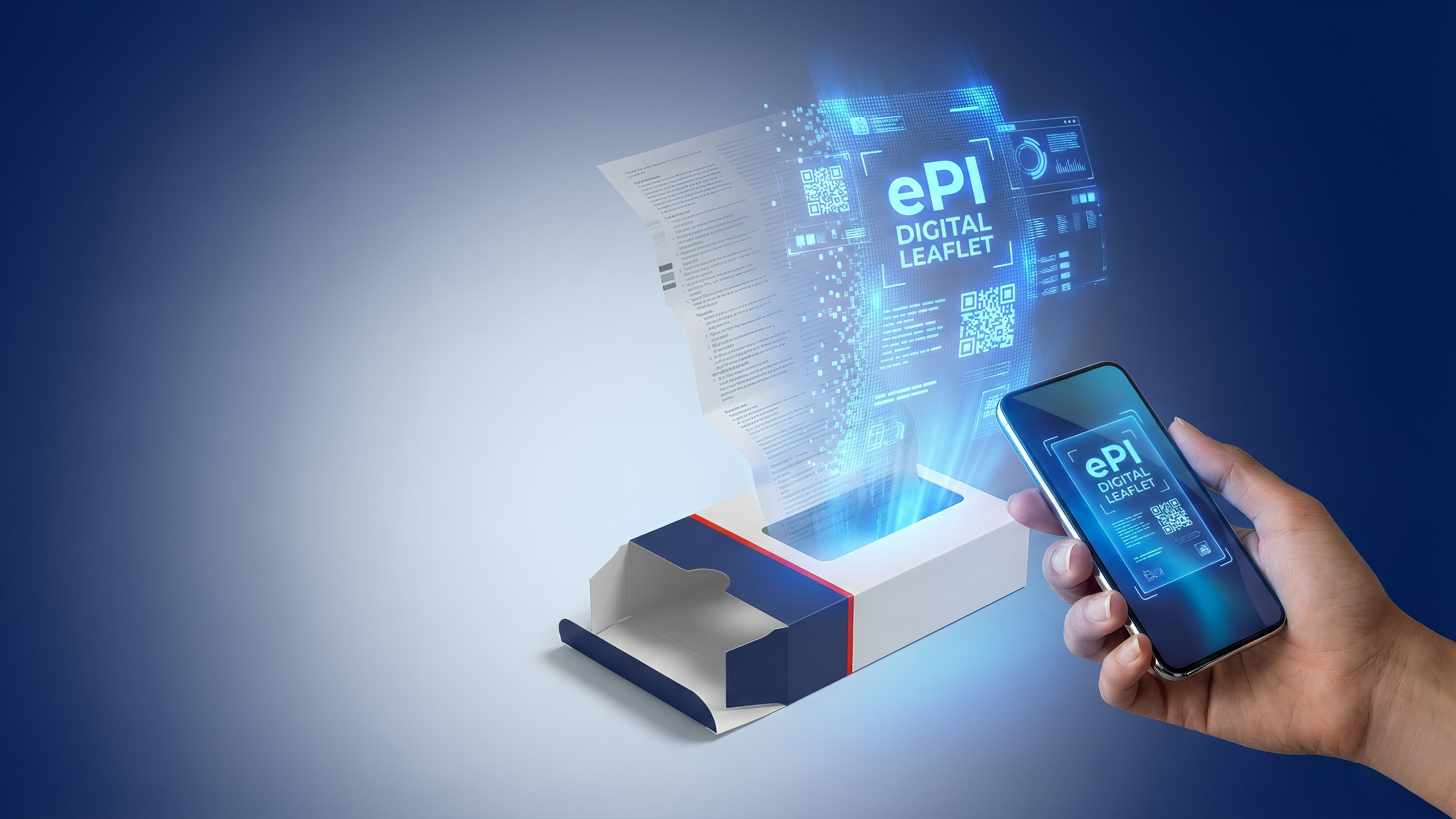
👉 ePI Is Here: How ForgeStop's Smart Label Platform Delivers Compliant Digital Medicine Information at Scale — Electronic Product Information is reshaping pharma compliance. How ForgeStop delivers real-time, multilingual, audit-ready ePI globally.
ForgeStop's Connected Products Platform is already live with pharmaceutical manufacturers delivering end-to-end supply chain visibility through dual-frequency smart labels, BatchMaker™ production encoding, and real-time WMS integration.
If your supply chain still has blind spots — between the production line and the warehouse, between the warehouse and the pharmacy, between the pharmacy and the patient — we'd like to show you what it looks like without them.
👉 Request a demo today and see end-to-end pharma supply chain visibility in action.
June 4, 2026
Electronic Product Information (ePI) is reshaping pharma compliance. Discover how ForgeStop delivers real-time, multilingual, audit-ready ePI at global scale.
April 2, 2026
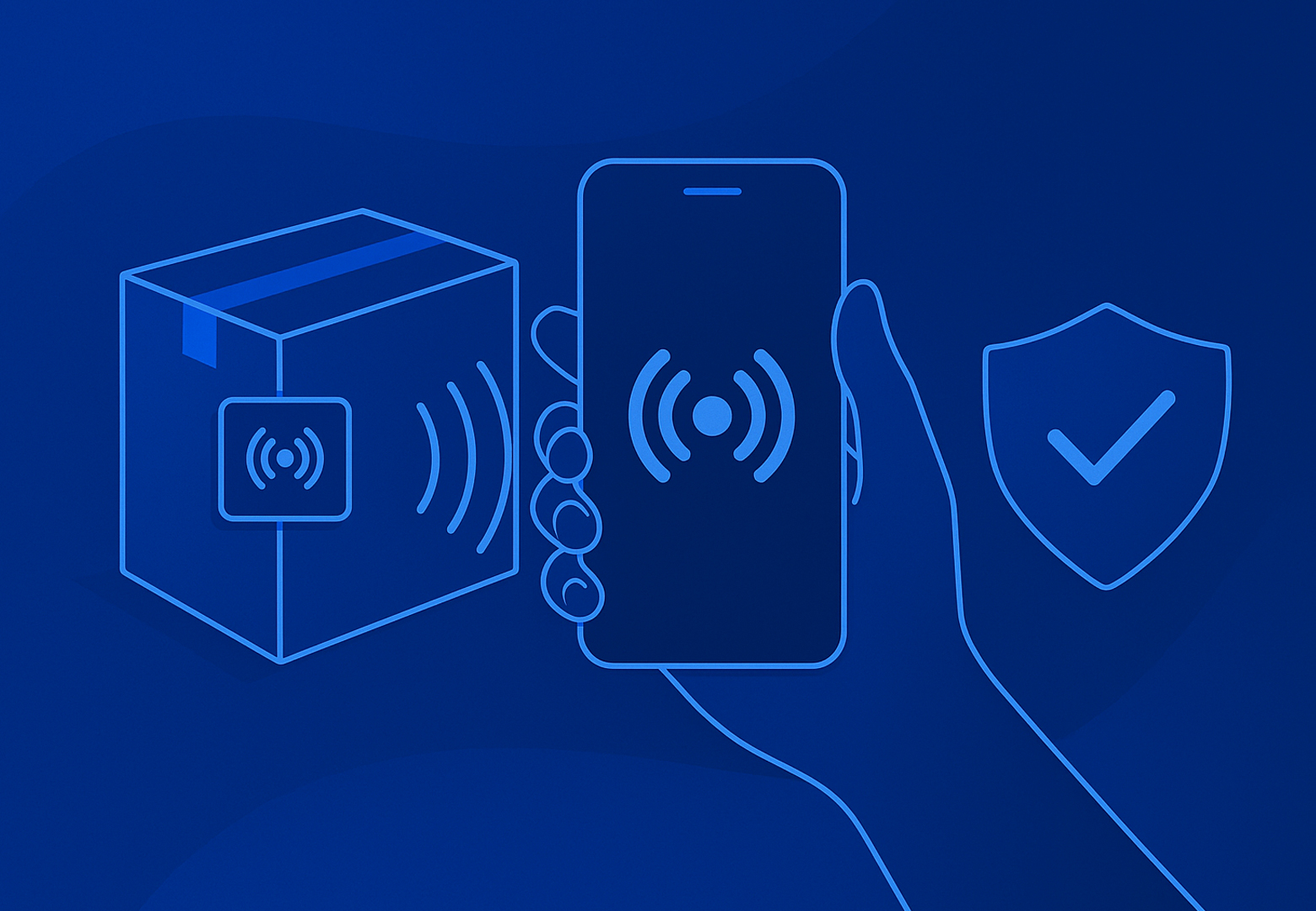
Discover how NFC authentication works with ForgeStop's TAG. TAP. AUTHENTICATE. process—turning smart labels into digital twins, enabling tap-based user engagement, and securing products with real-time verification. Learn how this NFC-ready tech unlocks trust, traceability, and brand loyalty.
January 14, 2026
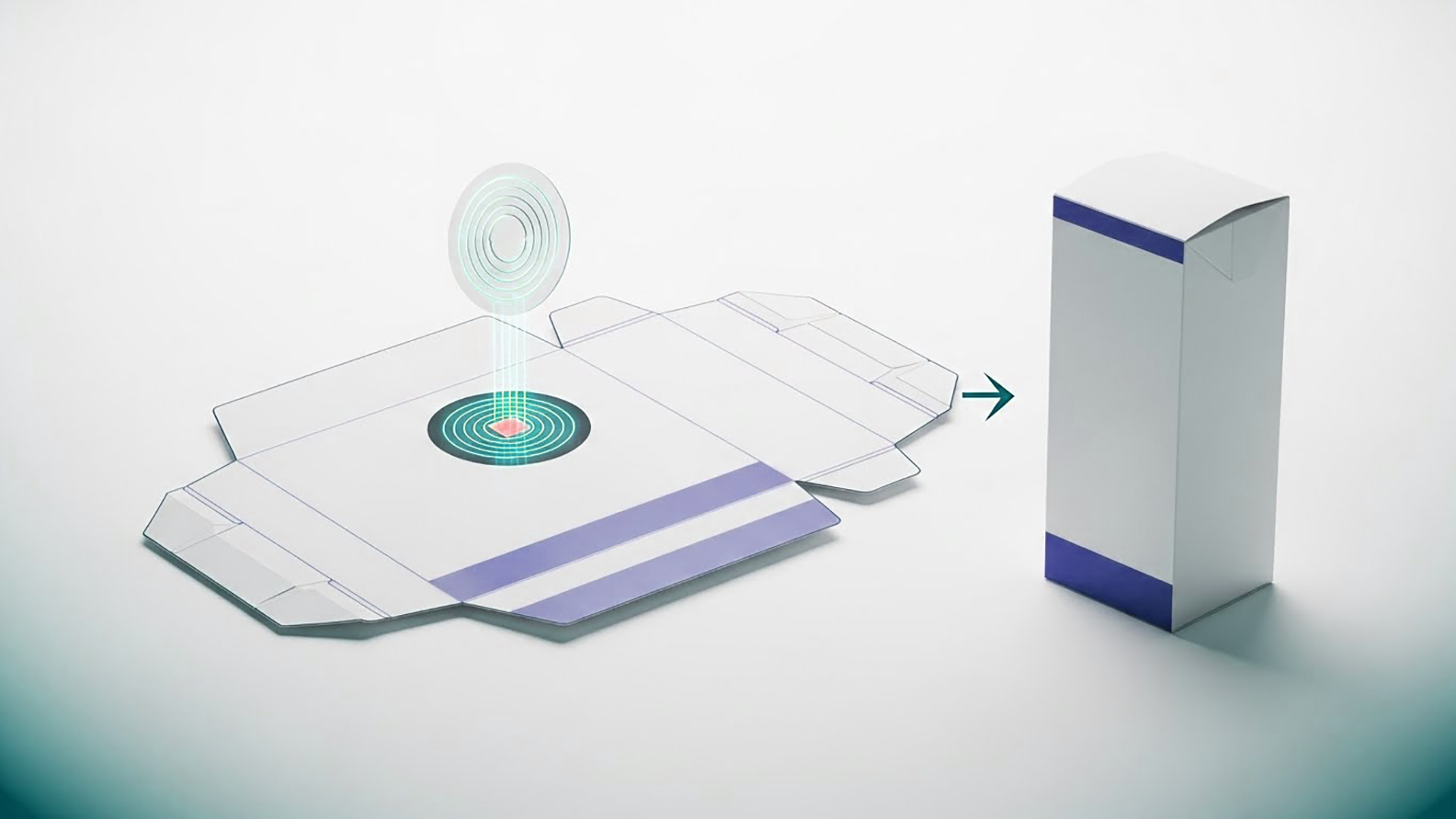
Printed smart labels embed NFC into existing pharma packaging — no new equipment needed. Learn how to deploy compliant, scalable smart labeling in 2026.

.svg)
.svg)

.svg)
.svg)