
August 5, 2025
The 2026 trends reshaping brand protection: connected NFC labels, DPP and GS1 Sunrise deadlines, dual-frequency RFID, AI monitoring, and the paperless leaflet.
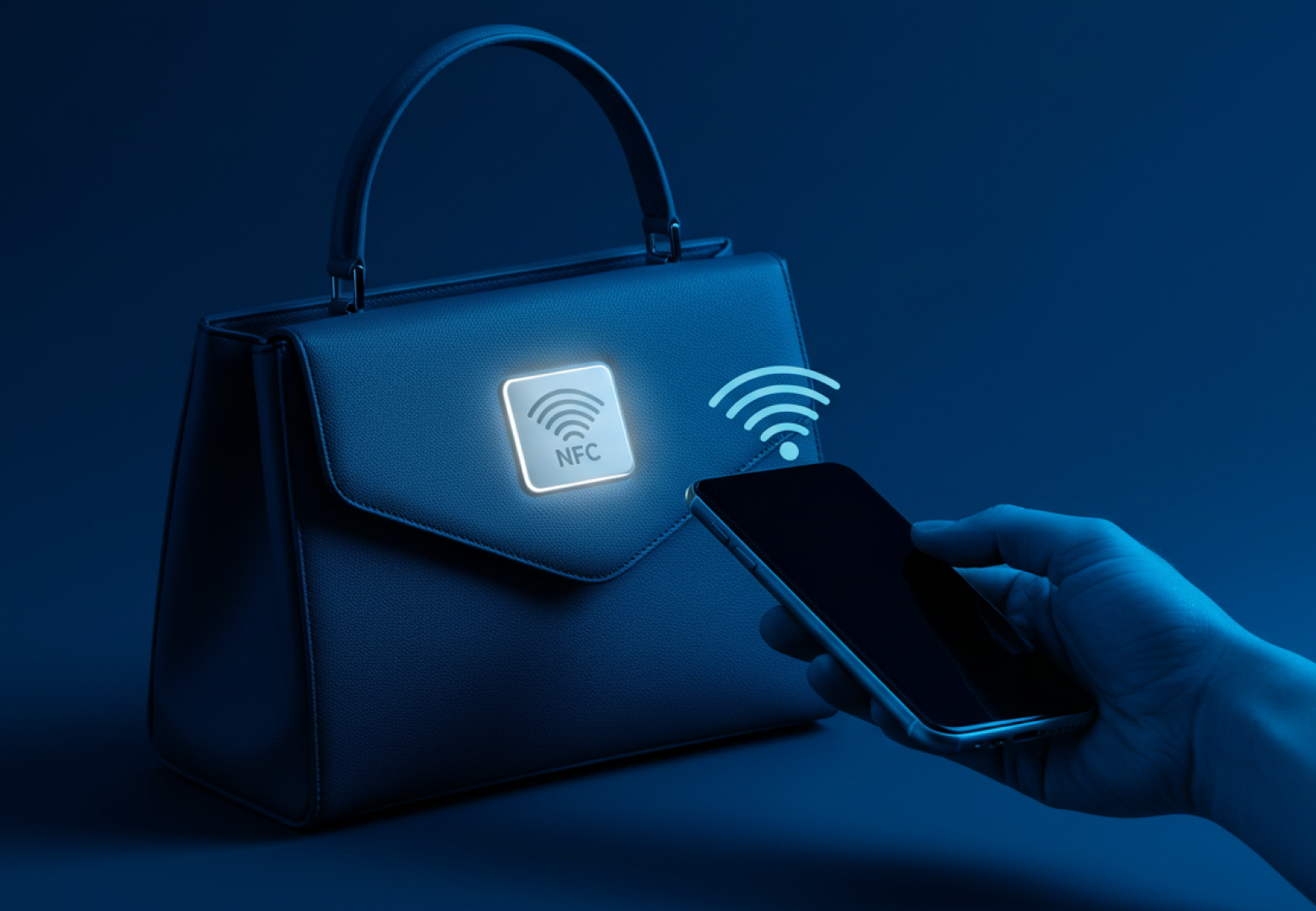
The global anti-counterfeit packaging market is worth roughly 228 billion dollars in 2026 and is on track to pass 300 billion by the early 2030s.[1] But the number is not the real story. What matters in 2026 is a change in what a label is for. The product label is turning from a passive marking into a connected identity that can prove authenticity, carry regulated information, and talk back to the brand. Here are the trends driving that shift, and what they mean for anyone responsible for protecting a product.
Counterfeiting keeps scaling, and e-commerce keeps handing counterfeiters new routes to the shelf. That alone would grow the market. The more important development is that regulators and brands are moving away from marks that only look secure toward identities that can be verified. Track-and-trace is already the largest segment of the market, and connected technologies like NFC and RFID are among the fastest growing.[1]
Three regulatory currents are converging on the same production lines. The EU Digital Product Passport begins with a mandatory battery passport on 18 February 2027 and expands to textiles, electronics, and other consumer categories through the ESPR Working Plan.[2] The GS1 Sunrise 2027 initiative expects retail checkout systems to read 2D barcodes by the end of 2027.[3] And in pharma, the EU Falsified Medicines Directive and the US Drug Supply Chain Security Act already require item-level serialization and tamper evidence.
The through-line is that a scannable, verifiable identity on the pack is becoming a compliance requirement, not a nice-to-have. Brands that treat 2026 as a preparation year avoid a scramble when the deadlines land.
👉 Related reading: Digital Product Passport: What It Is and How Brands Prepare. Which product groups the DPP covers, when, and how a single connected label can satisfy the passport requirement while doing double duty for brand protection.
A printed code, whether a barcode, a QR code, or a hologram, can be photographed and reproduced. That is fine for carrying information, but it cannot prove an item is genuine. The 2026 trend is the move to connected chips, where an NFC or RFID tag carries a cryptographic identity that cannot be cloned by copying an image.
A shopper taps the pack with a phone, no app required, and the chip itself is verified, not just the data it points to. The chip can also detect tampering and change what it shows after authentication, which a static code cannot do.
👉 Related reading: How NFC Works for Product Authentication and QR Code vs NFC for Brand Protection. The mechanics of tap-to-verify, and a clear head-to-head on where each data carrier wins.
Consumer verification happens up close with NFC. Warehouse and pallet-level reads happen at distance with UHF RFID. Until recently those were separate tags. In 2026, dual-frequency chips carry both on a single label, so the same tag a shopper taps to verify a bottle also lets a distribution center read an entire pallet in seconds.
That convergence is why one smart label can now serve marketing, operations, and anti-counterfeiting at once, without competing tags fighting for space on the pack.
Authentication catches a fake at the point of a tap. AI-driven monitoring catches it earlier, by scanning marketplaces, classifieds, and social platforms for suspect listings and seller networks, and by flagging anomalies in scan data, like a product surfacing in a market it was never shipped to. The pairing matters: item-level identity generates the signal, and AI turns that signal into an alert a brand can act on before the quarter closes.
Regulators and consumers are pushing packaging toward less waste. A connected label supports that by moving product information off paper and onto the phone. In pharma, electronic product information replaces printed leaflets with content that updates without a reprint. Across consumer goods, the same mechanism carries recycling and material data for a Digital Product Passport. Security and sustainability, once separate line items, increasingly ride on the same chip.
Once a product can be tapped, every verification is also a moment of contact. Brands are using that moment for provenance stories, registration, reordering, and first-party data, the kind that does not depend on third-party cookies. Anti-counterfeiting becomes the reason to add the label, and engagement becomes the return on it.
👉 Related reading: The Ultimate Guide to Anti-Counterfeit Packaging Solutions. A full tour of the technologies brands combine, from overt and covert features to serialization, tamper evidence, and connected NFC.
Map your regulatory exposure first: which of your products touch DPP, GS1 Sunrise, ePI, FMD, or DSCSA, and when. Then decide where a printed code is enough and where authentication justifies a connected chip. Pilot on your highest-risk or highest-value line, confirm the label runs on your existing applicators, and build from there. The brands moving now are treating 2026 as the year to prepare, not react.
If you are deciding which of these trends apply to your product and how to act on them, talk to ForgeStop.
1. Anti-counterfeit packaging market valued at roughly USD 228 billion in 2026, with track-and-trace the largest technology segment and RFID among the fastest growing (MarketsandMarkets and Grand View Research, 2026). 2. Ecodesign for Sustainable Products Regulation (EU) 2024/1781; battery passport mandatory from 18 February 2027 under the EU Battery Regulation (EU) 2023/1542; further product groups phased in via the ESPR Working Plan 2025-2030. 3. GS1, 2D barcodes at retail point-of-sale (Sunrise 2027): retail systems expected to read 2D barcodes by 31 December 2027.

June 19, 2025
ForgeStop’s NFC smart labels go beyond authentication to enable powerful consumer engagement, digital marketing, and brand loyalty—right at the product level.

April 2, 2026
NFC powers the tap-to-pay tech you use daily—but it's also a game-changer for brand protection. Learn how NFC works, why it’s more secure than QR codes, and how brands use it to authenticate products, fight counterfeits, and engage consumers with trust.
July 28, 2025
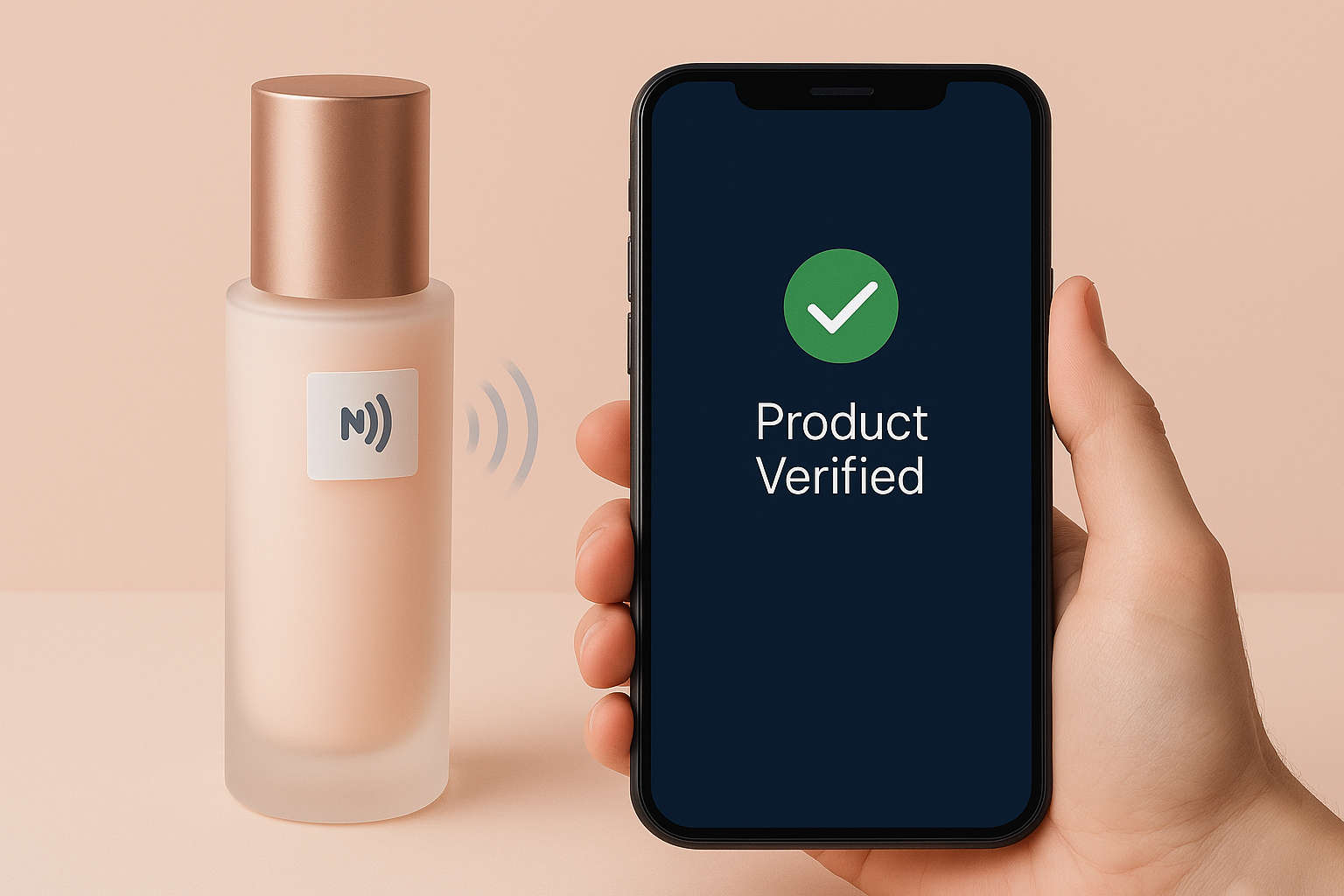
Over 67% of beauty products on online marketplaces are likely fake—posing serious health risks to millions. From toxic ingredients to skin damage, counterfeit cosmetics are on the rise. Learn how NFC smart label technology from ForgeStop offers real-time protection with tap-to-verify authentication—no app needed.

.svg)
.svg)

.svg)
.svg)